Lush fever
(Part 1)
From tropical rainforest to high-altitude plateau, western South America is defined by ecological contrast. The landscape changes within hours of travel, and with it, patterns of work, diet, architecture, and craft.
Economic life follows terrain. In the Amazon basin, dense forests and river systems sustain fishing, small-scale agriculture, and forest gathering. In the Andes, altitude and open pasture favor herding and terrace cultivation. Further south, mineral-rich highlands support extractive industries. Across short geographic distances, the environment determines not only what is possible, but what becomes habitual.
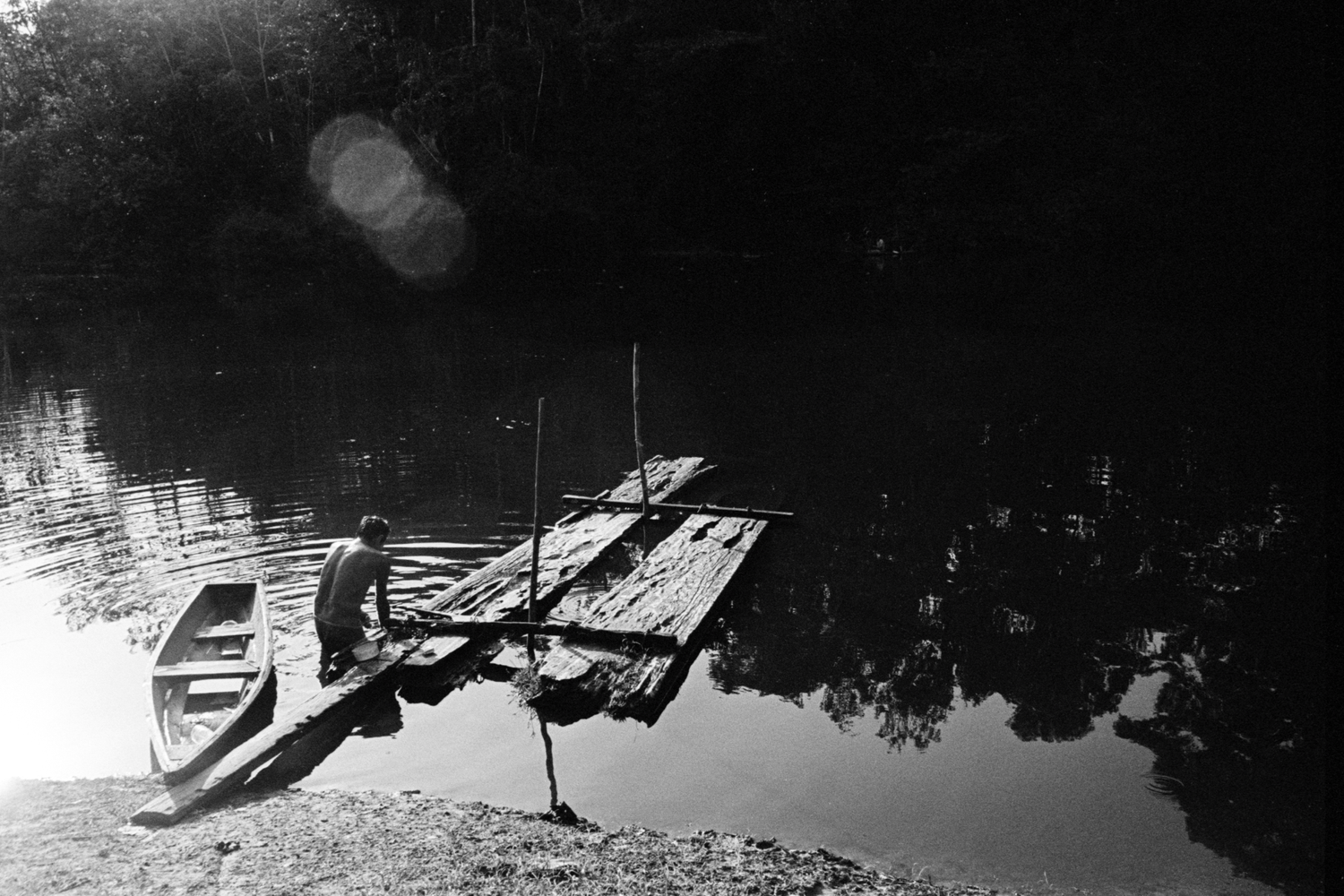
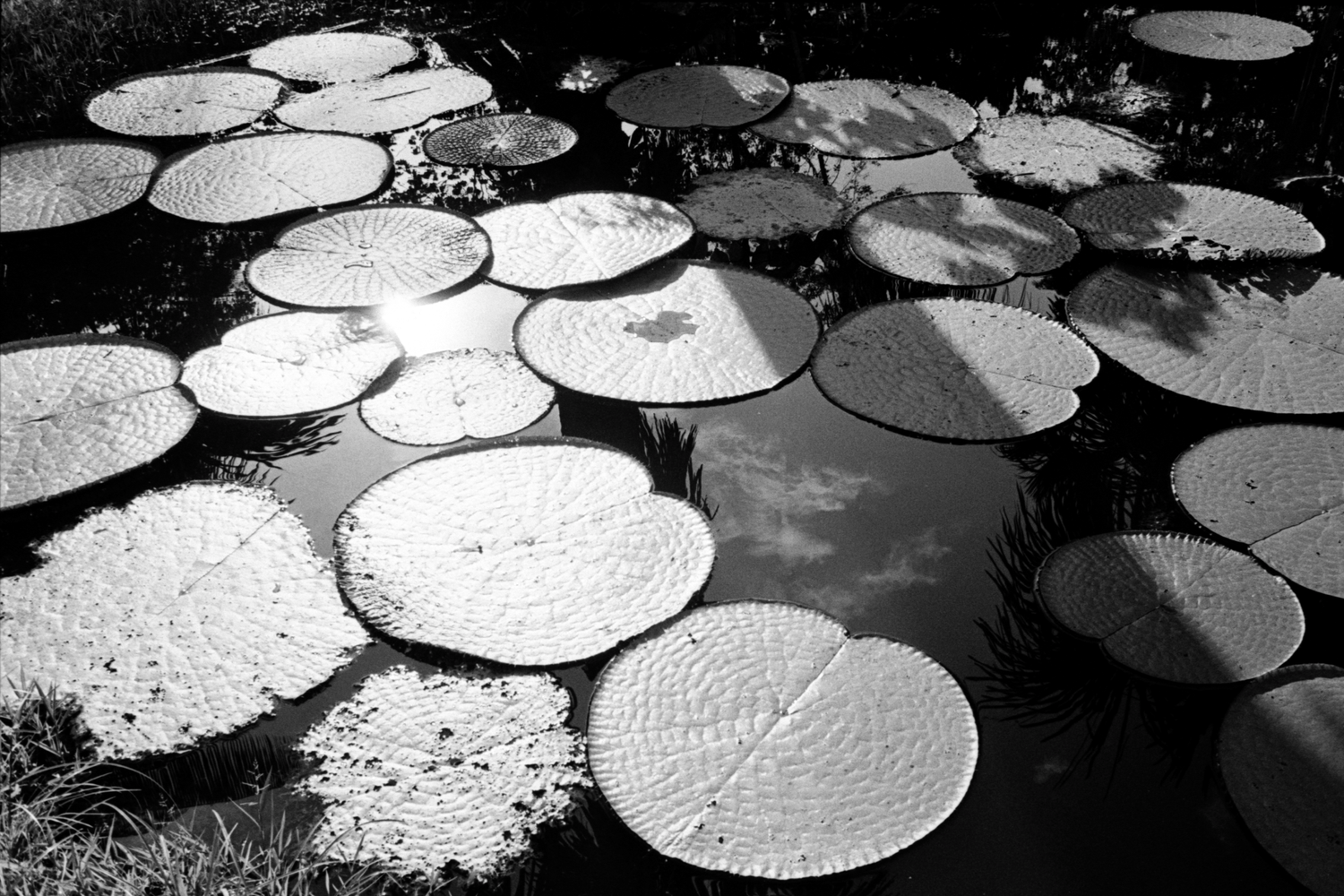
The Amazon Rainforest is home to millions of people whose daily lives remain closely tied to its rivers and forests. Loreto, Peru
The western Amazon is one of the most biologically diverse regions in the world. Vast river networks, flooded forests, and dense canopies create habitats for thousands of plant and animal species. Seasonal cycles of rain and drought regulate movement, breeding, and food availability, forming complex ecological networks that reach from the forest floor to the treetops. This diversity shapes human life as well, influencing how communities obtain food, medicine, construction materials, and trade goods.
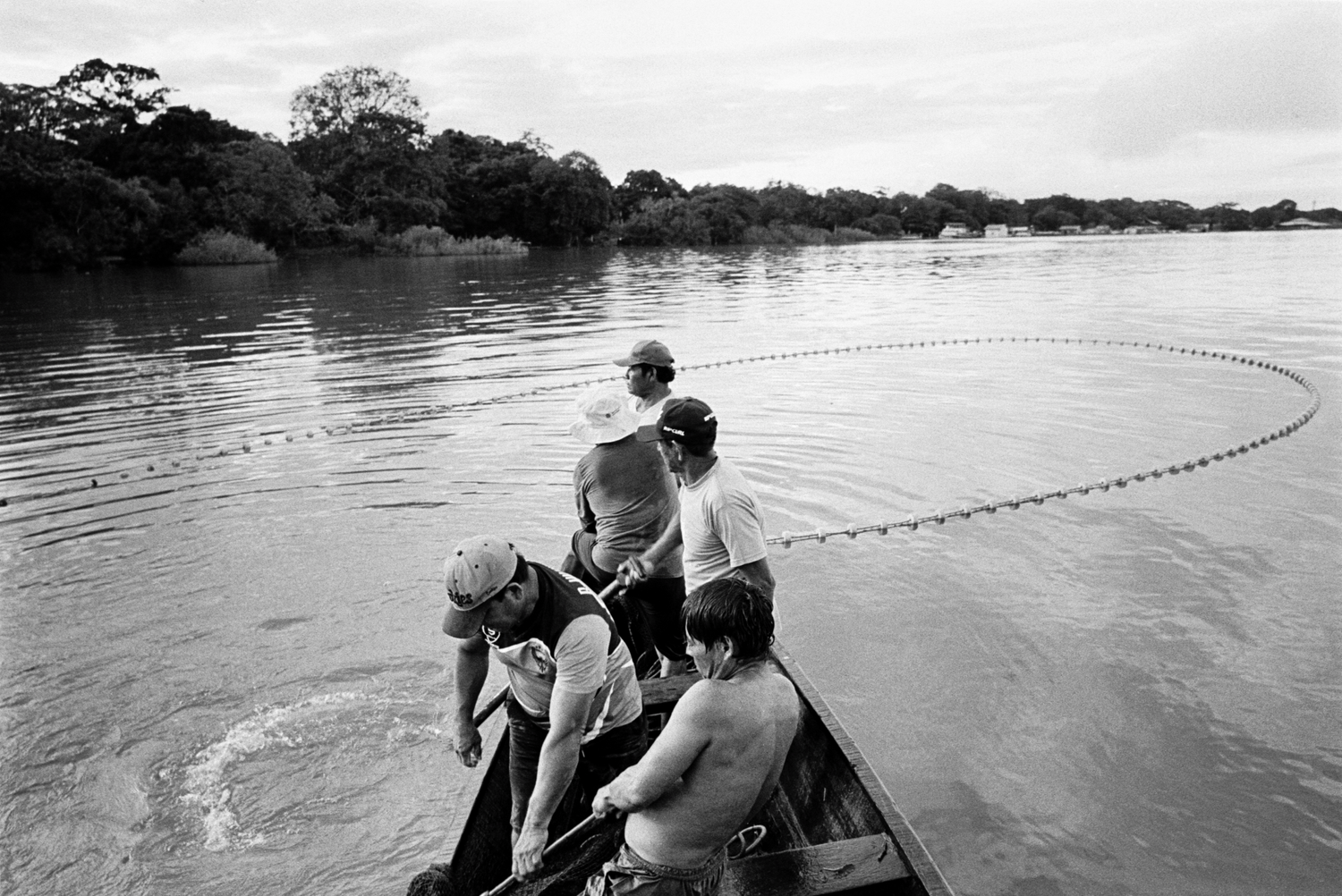
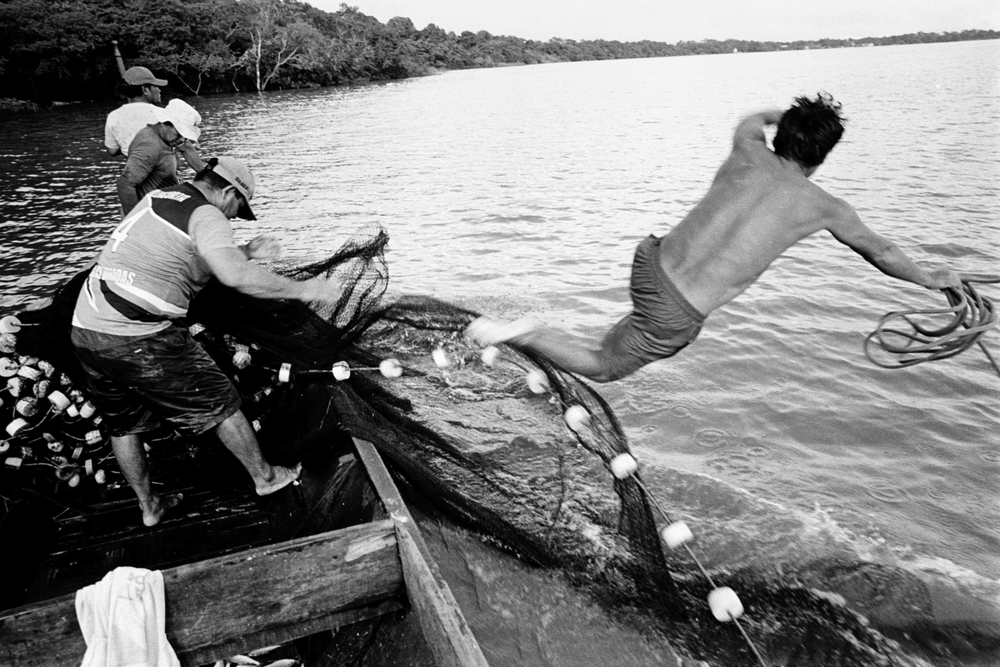
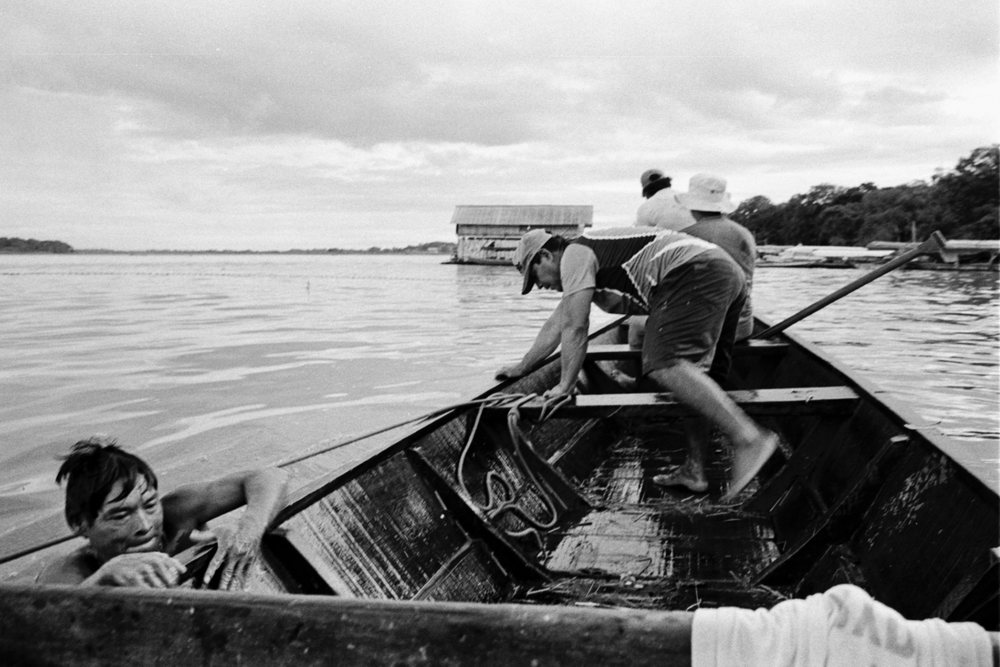
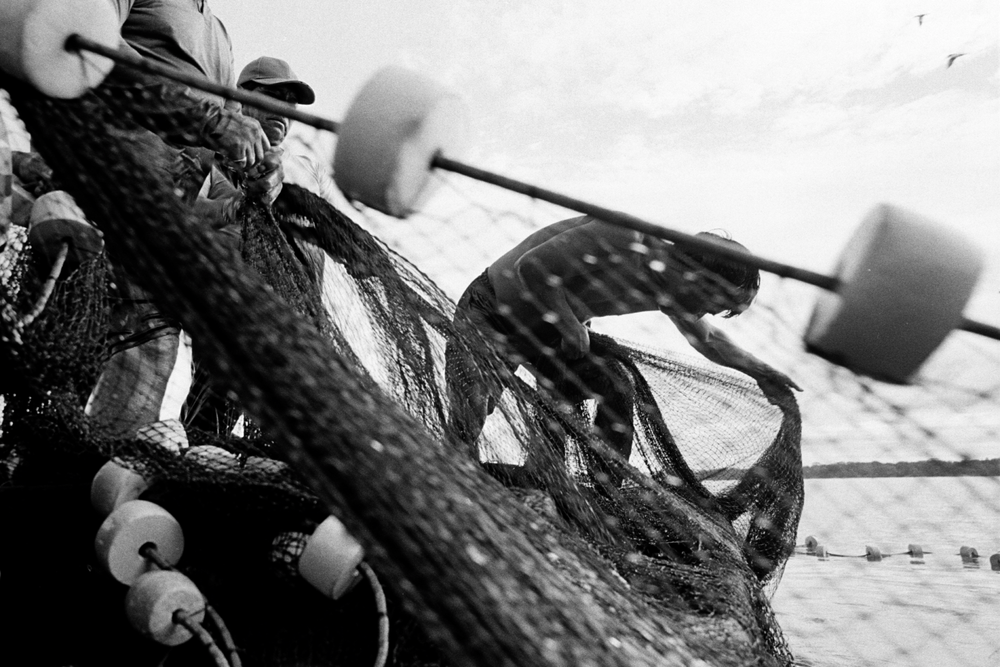
Each morning, Wilber Piñero and his crew set out their net on Laguna de Yarinacocha. Ucayali, Peru.
Rivers serve as vital transport routes, connecting settlements and enabling trade, communication, and access to distant resources. At the same time, these waterways sustain the communities, shaping daily work and survival.
Along the rivers and oxbow lakes of the Amazon, fishing remains a primary source of food and income. It depends on detailed knowledge of water levels, fish migrations, and seasonal changes. Techniques and equipment are adapted to local conditions through long-standing experience.
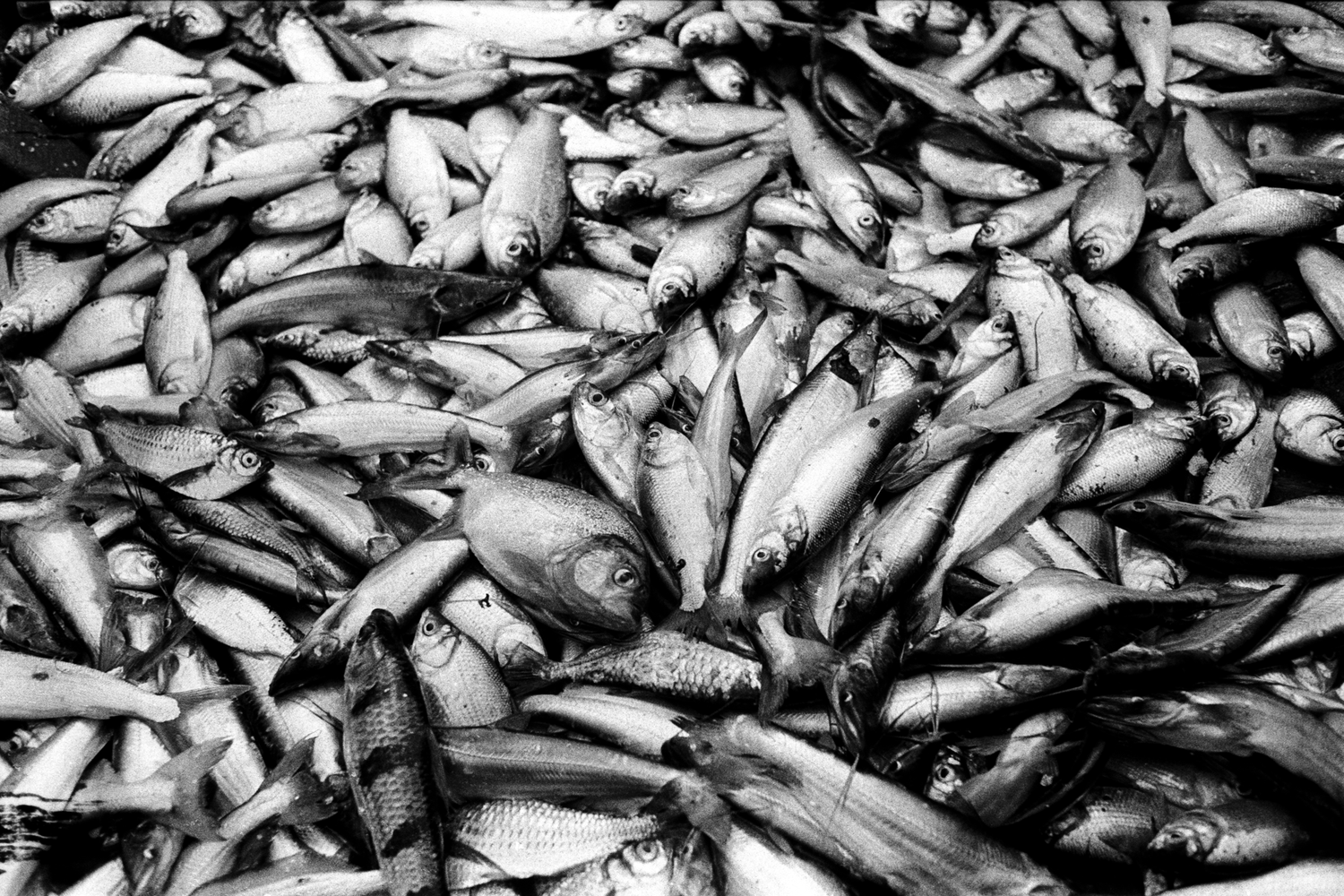
The catch shows the river’s extremes: small, harmless fish and violent predators caught in the same net. All end up on the table. Laguna de Yarinacocha, Ucayali, Peru
Fish plays a central role in Peruvian cuisine. As a coastal nation with one of the richest marine ecosystems in the world, Peru ranks among the highest per-capita fish consumers in South America. Coastal fisheries, highland trout farming, and Amazonian river fishing together contribute to the country's food supply.
In the rainforest, however, fishing depends directly on local conditions rather than large-scale industry, reinforcing a close, continuous relationship between communities and their environment.
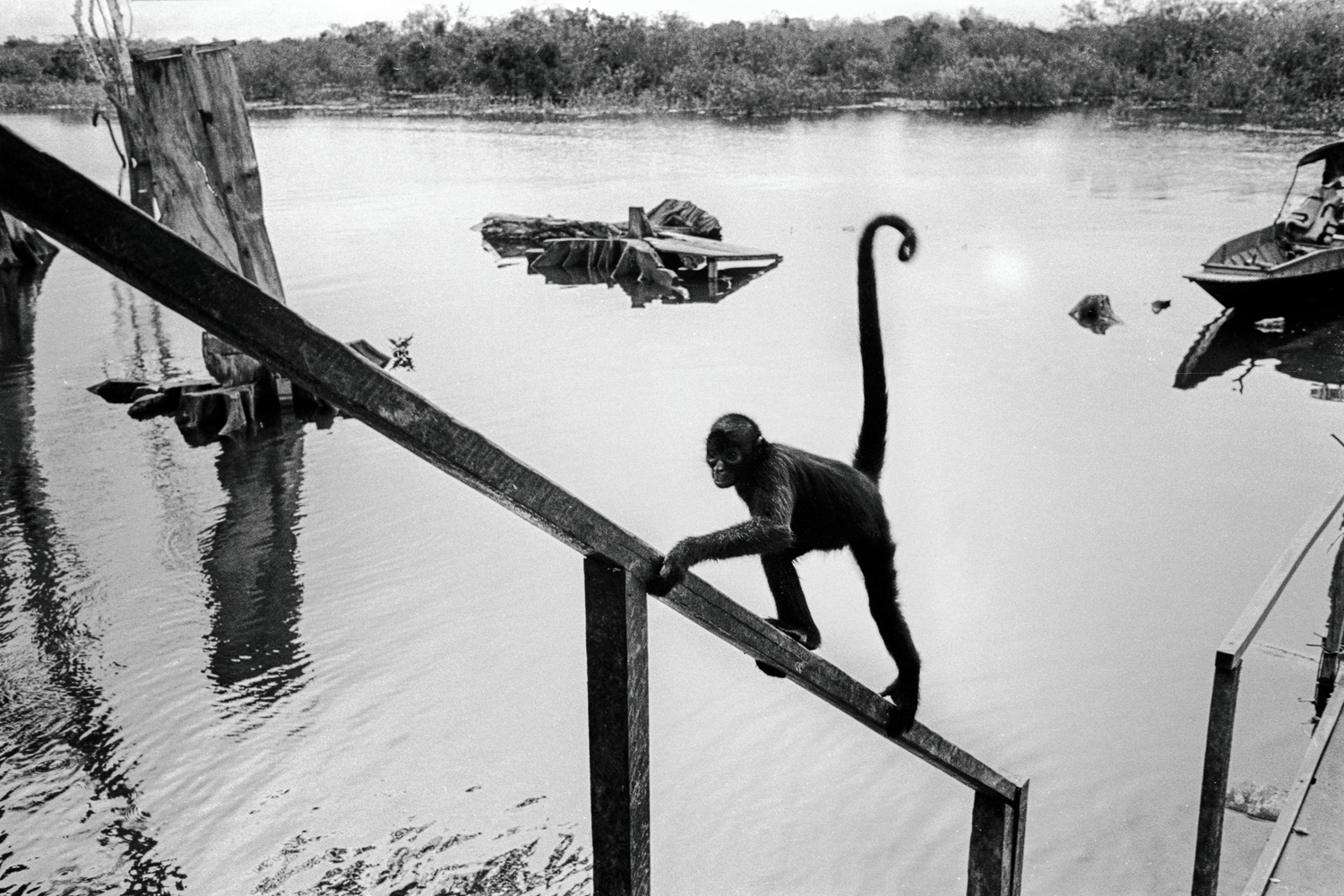
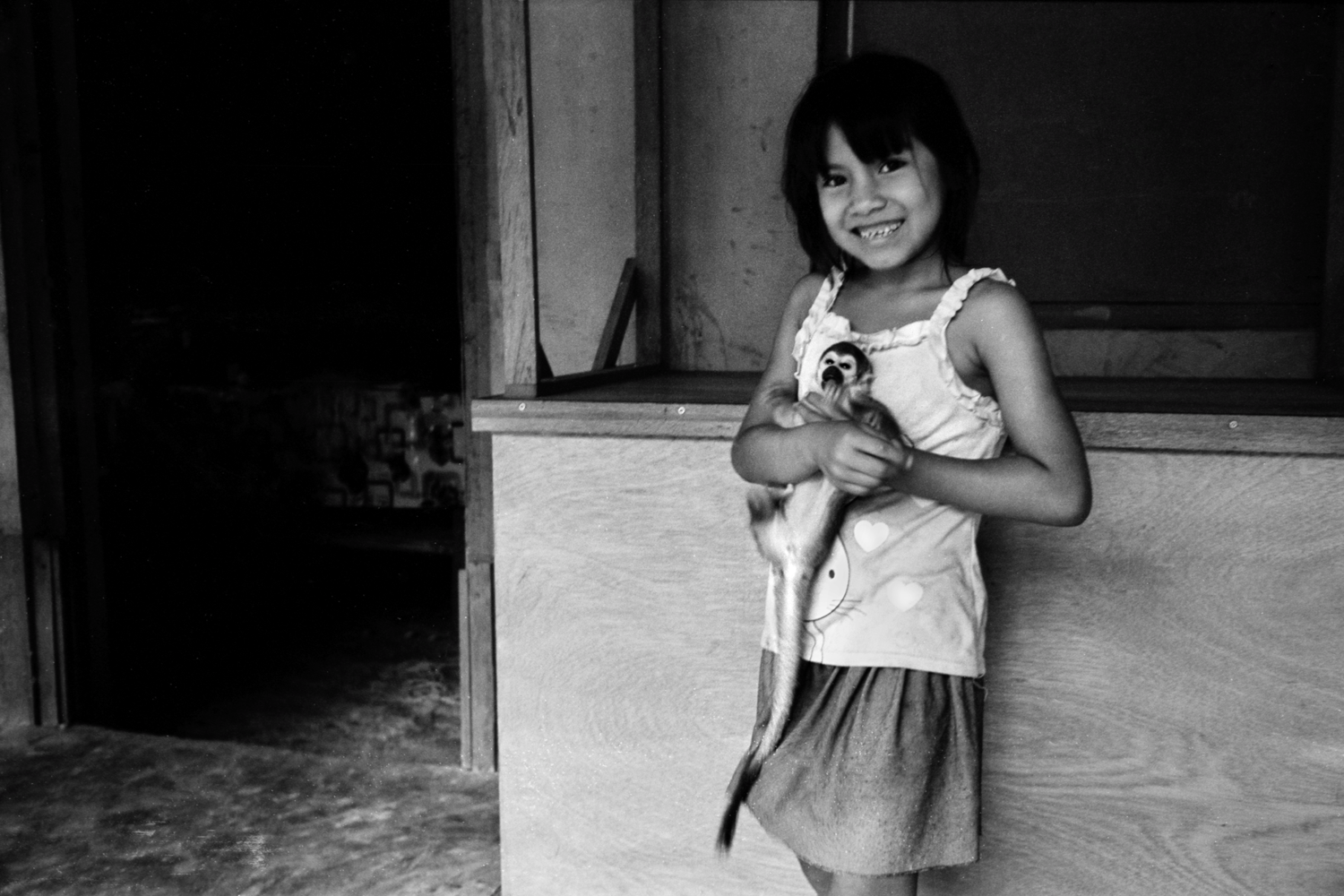
The Peruvian Amazon Rainforest is home to over 50 species of monkeys, many of which are popular pets among native communities, like this squirrel monkey, cradled by a girl from San Antonio de Picuro Yacu, a Murui-Muinañɨ community in Loreto, Peru.
But animal and plant knowledge extends beyond fishing. Leaves, bark, and roots are used for food, medicine, construction, and ritual purposes. Resources are gathered by hand and returned to circulation within the community.
Across environments, whether the dense Amazon or the high-altitude Andes, local practices and crafts emerge directly from what the land provides, shaped by available resources and techniques.
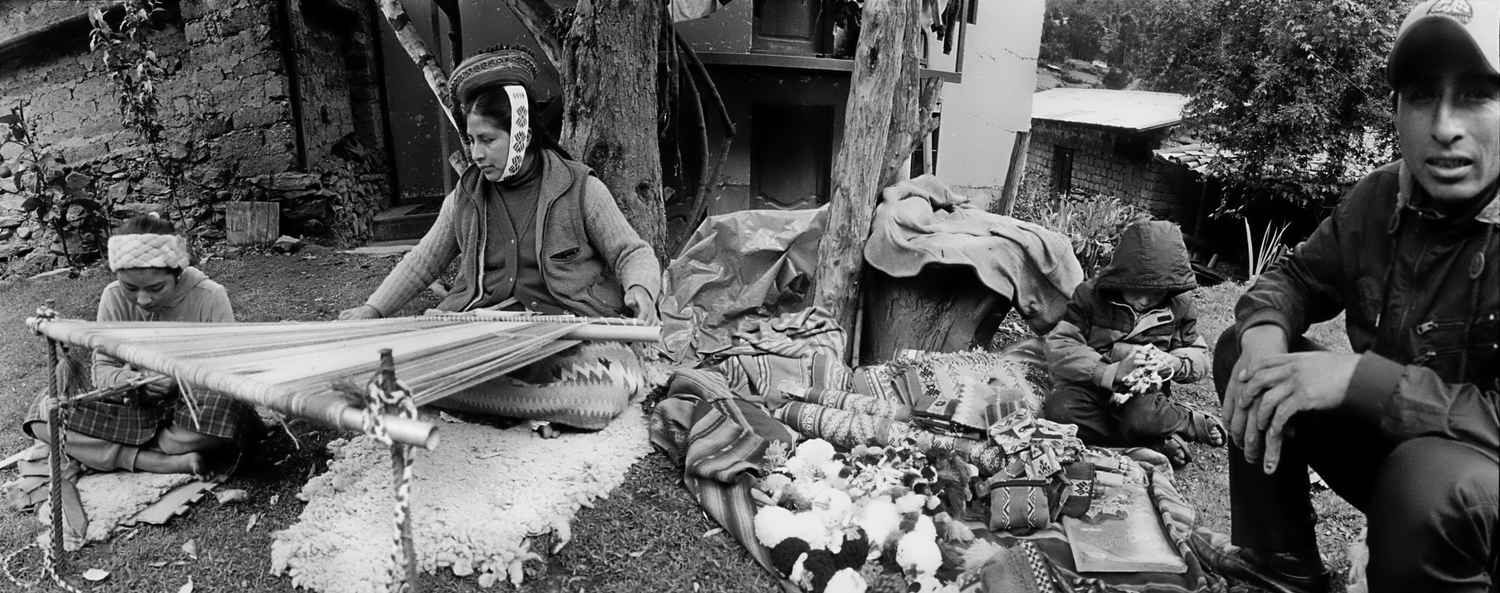
Señora Florentina Quispe Laucata, a renowned weaver and bearer of ancestral knowledge, demonstrates her craft. Passed down through generations, the patterns and techniques of Andean weaving continue to thrive. At just 10 years old, Florentina's daughter is already creating her second woven piece. Huilloc, Cusco, Peru
Textile production offers one of the clearest examples. Communities maintain weaving traditions in which animals are central motifs: llamas, condors, frogs, and pumas appear repeatedly in patterned compositions, reflecting their ecological presence and economic value. Alpaca and sheep wool provide the primary raw material, while dyes derived from plants, minerals, and insects produce the characteristic colors of Andean textiles.
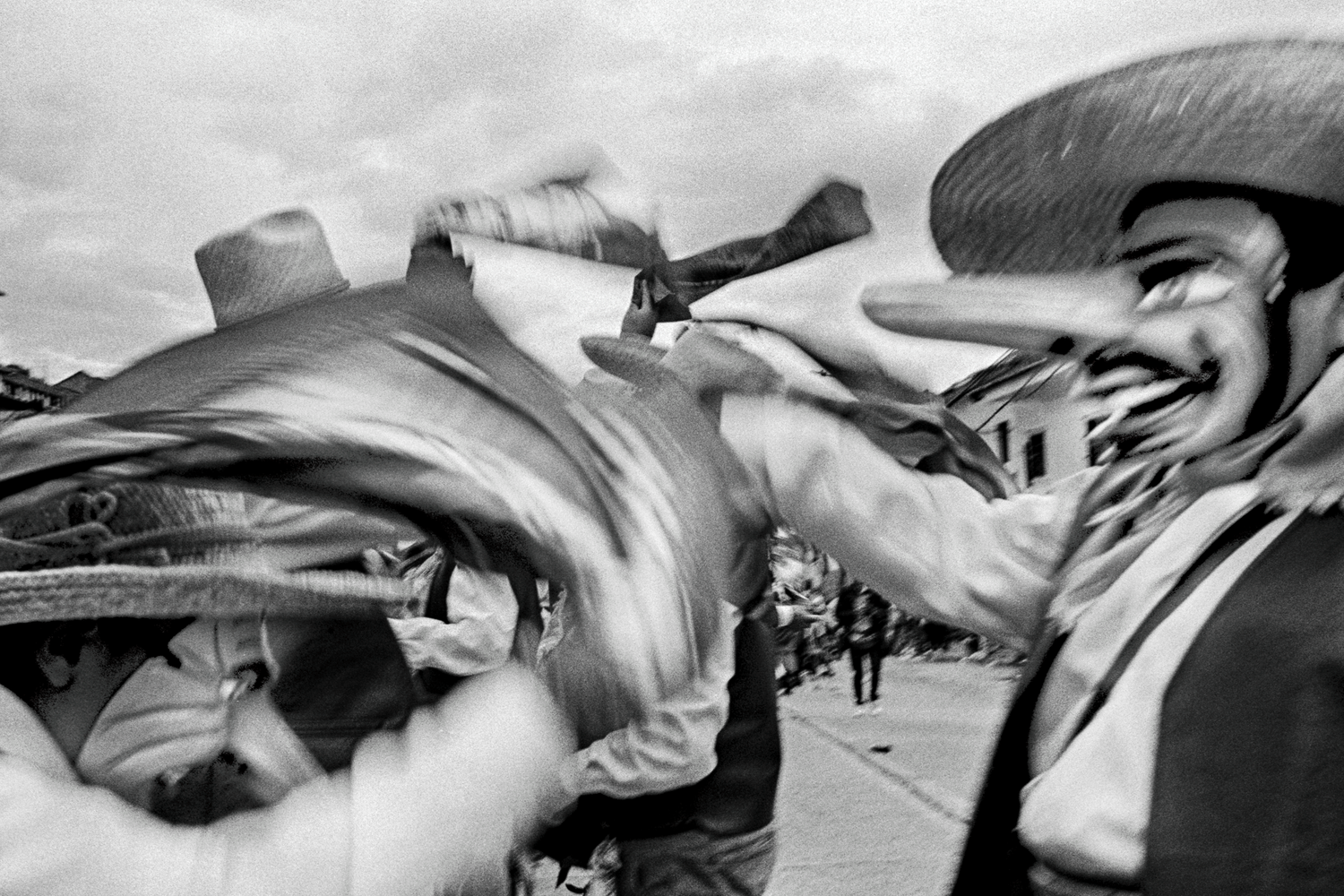
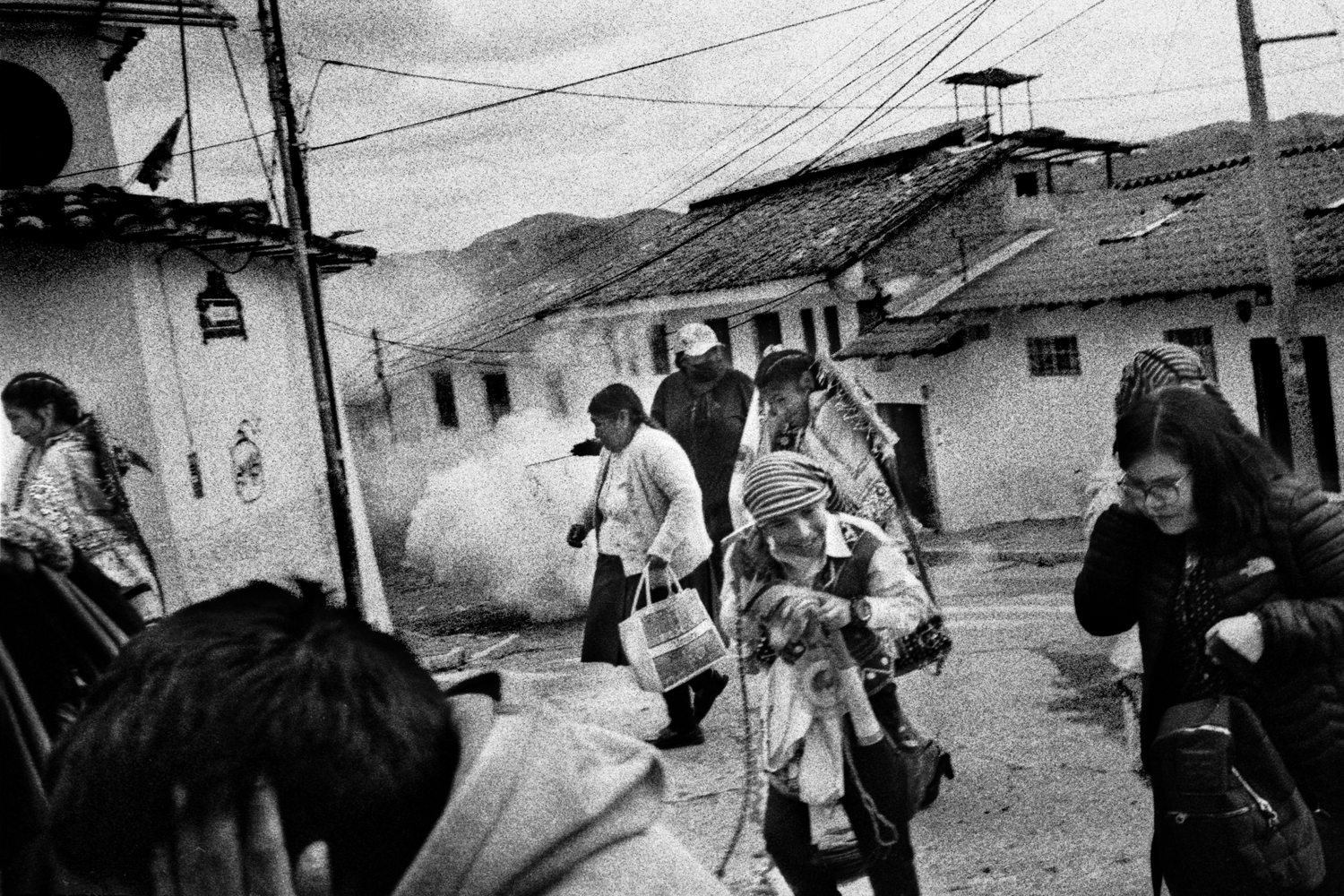
January 17 marks the Feast of San Antonio Abad, the patron saint of animals. In Cusco’s San Cristóbal neighborhood, farmers bring decorated cows, alpacas, and sheep to be blessed for a healthy year, and the streets fill with processions of singing and dancing. Cusco, Peru
These woven textiles appear in local festivals, religious ceremonies, and communal gatherings. Similar to most Latin American countries, festivities across Peru blend Indigenous traditions with Catholic rituals. Colorful garments, adorned with traditional patterns and motifs, signal not only regional identity but often refer to the wearer’s role within the community. Along with carved and painted masks, they add layers of symbolism, connecting participants to ancestral spirits, mythical figures, or historical events.
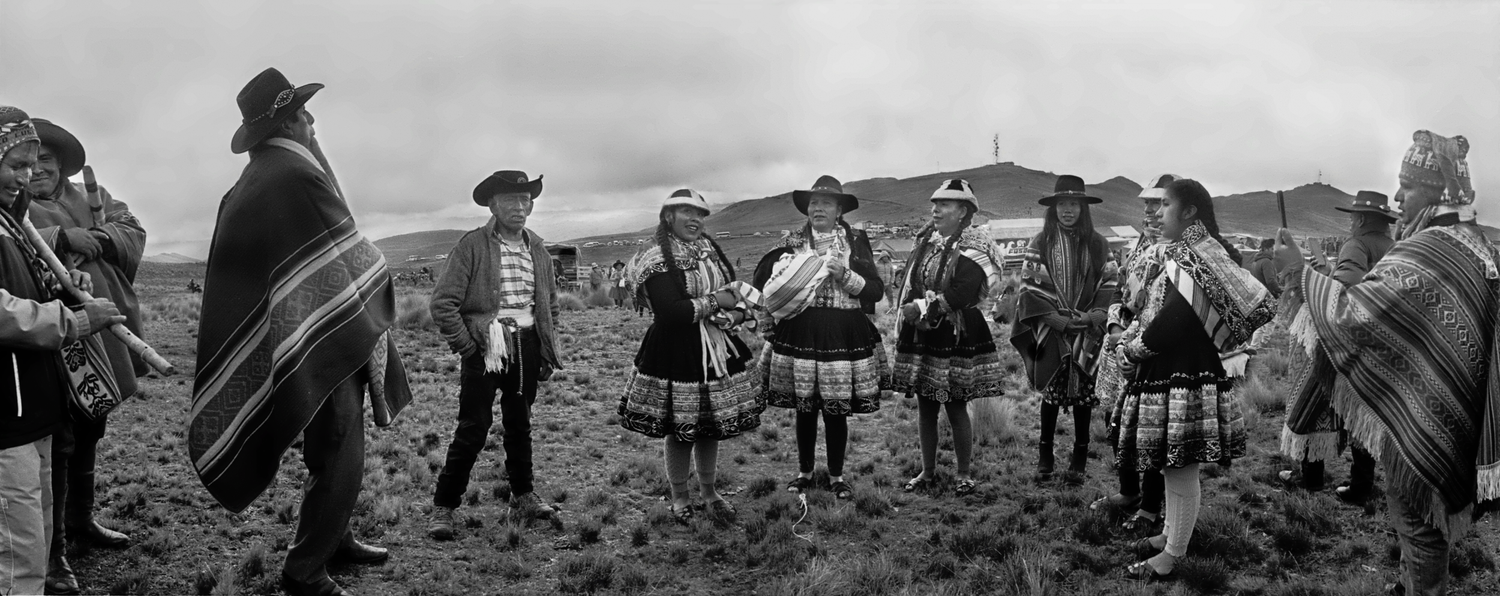
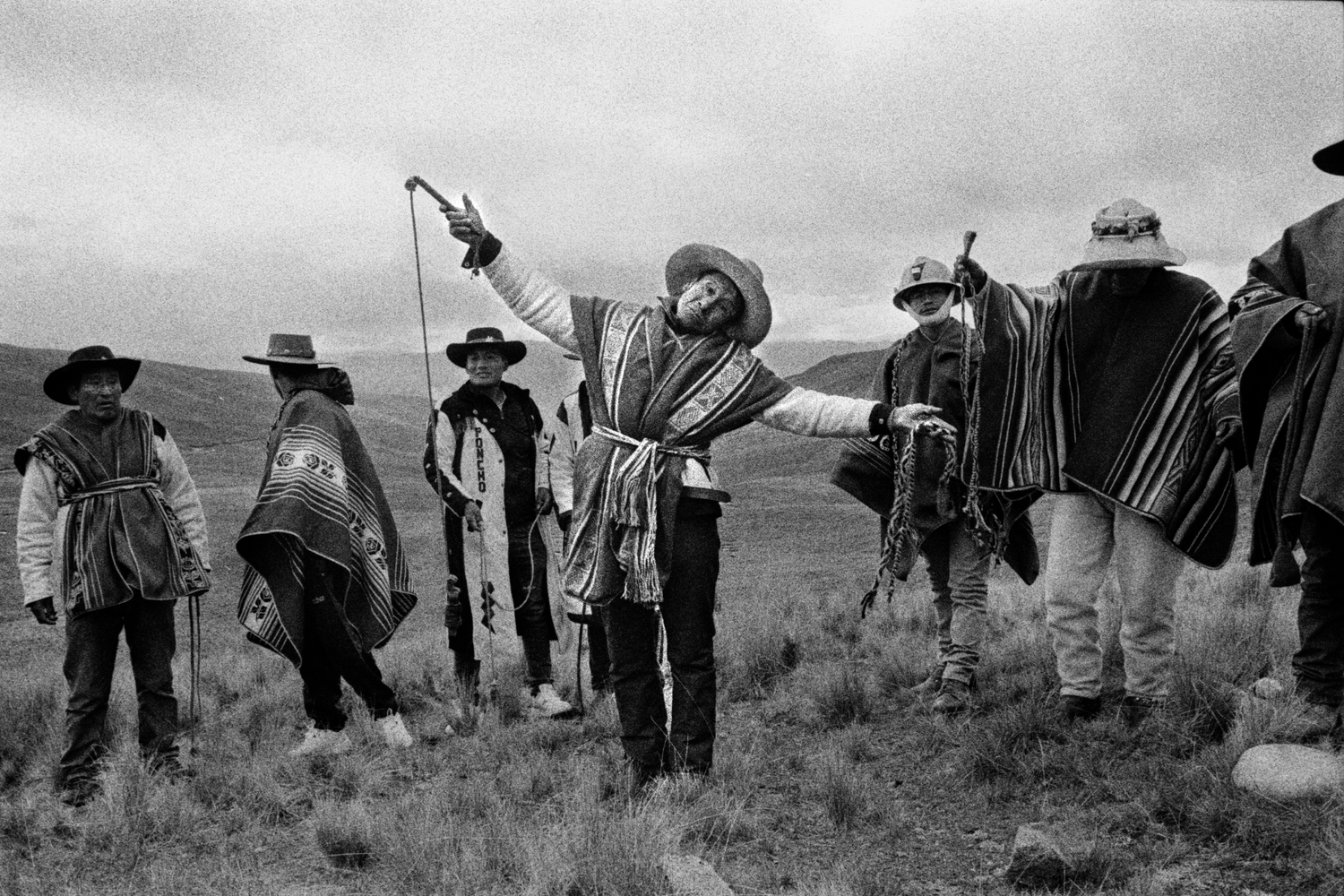
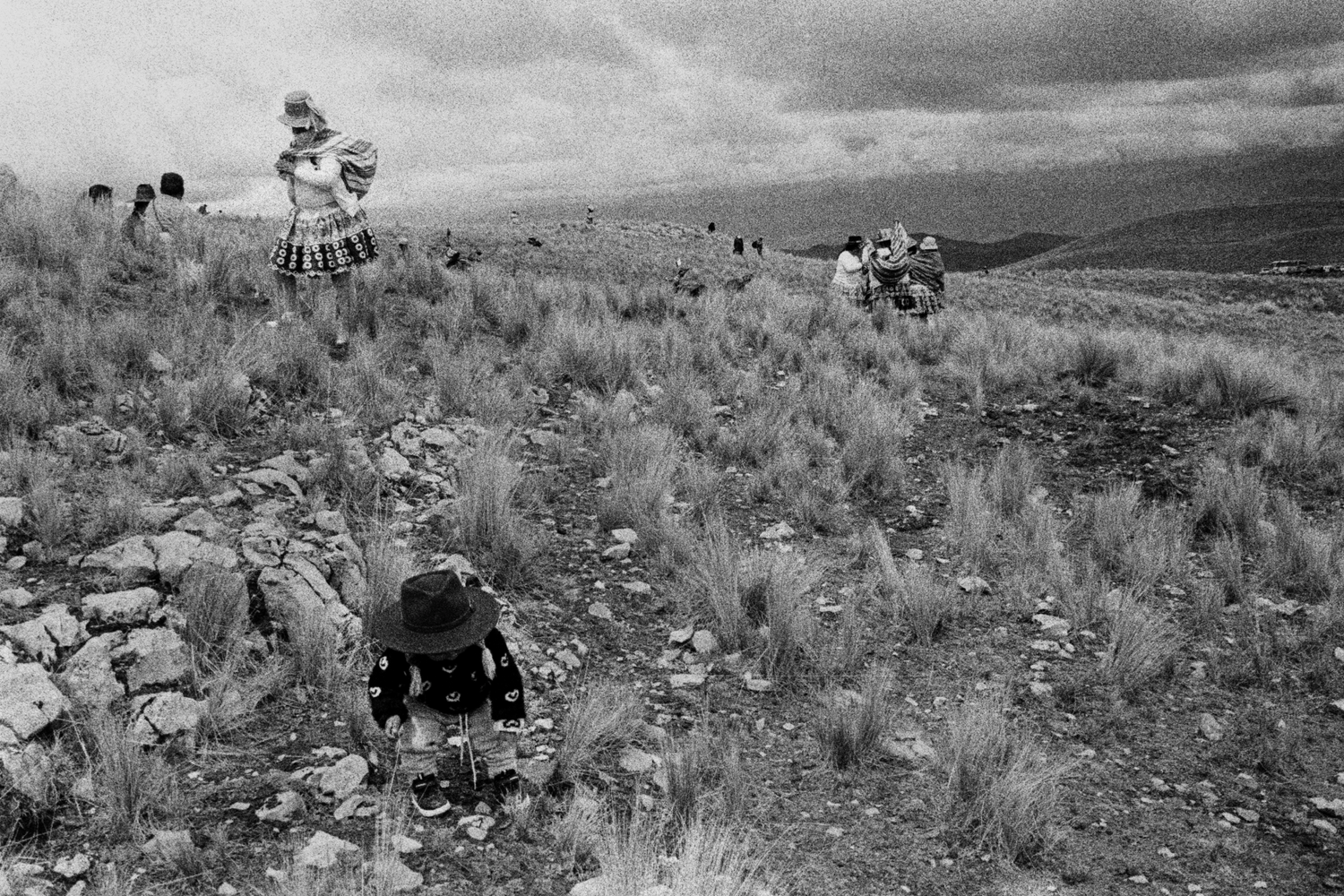
The Chiaraje ritual battle takes place on a high altitude, desolate plain that separates the territories of the communities of Checca, Qqehue, and Langui. The event also serves as an important social gathering. Community members strengthen relationships, meet new people, and young men and women have the opportunity to get to know one another while enjoying folklore dances, singing, food, and a generous amount of alcohol. Ch'iyar Jaqhi, Cusco, Peru
El Chiaraje, or “war of the end of the world,” is a ritual battle dating back to pre-Hispanic times, as an offering to Pachamama (Mother Earth in the Quechua language) to maintain the fertility of the land.
Two opposing sides take part in the ritual combat, made up of young members of these local communities. After extensive provocations and insults among the farmers, they confront each other by throwing stones with slings made of hardened sheep’s wool. The winner is the side that gains more ground and forces the enemy to retreat. The violent confrontation lasts for several hours during the day, leaving each year a serious toll of people injured, mostly by stone impacts.
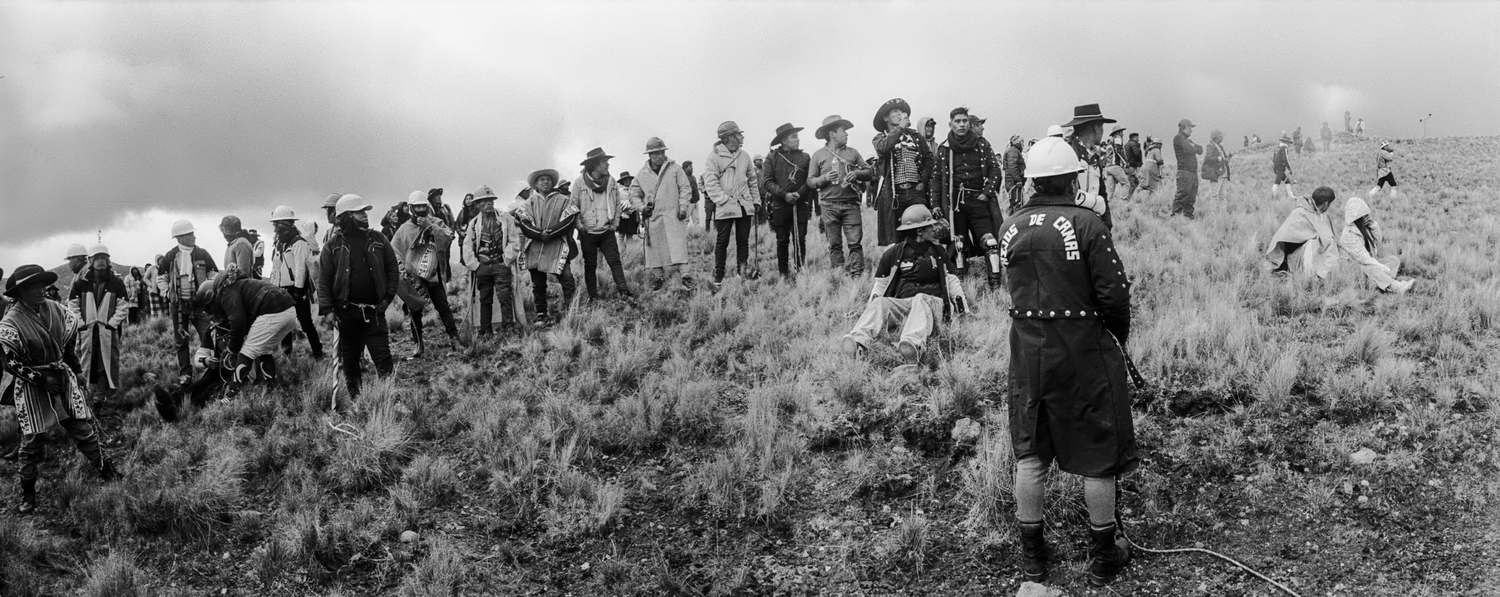
Participants line up before the confrontation. Fatalities in previous years cast a shadow over the event, fueling fear among the fighters, but alcohol relieves the tension. Ch’iyar Jaqhi, Cusco, Peru.
According to the ritual of this event, those who fall are considered a good omen for the year’s rains. The battle is seen as a “game” in which the courage, honor, and prestige of the members of each of the two opposing communities are put to the test. Outside of this annual confrontation, however, the communities maintain close and friendly relations, living and working alongside one another throughout the rest of the year.